Why Invisalign Calabasas CA Is Ideal for Image-Conscious Patients
@cristianboli455
November 24, 2026 · 14 min read
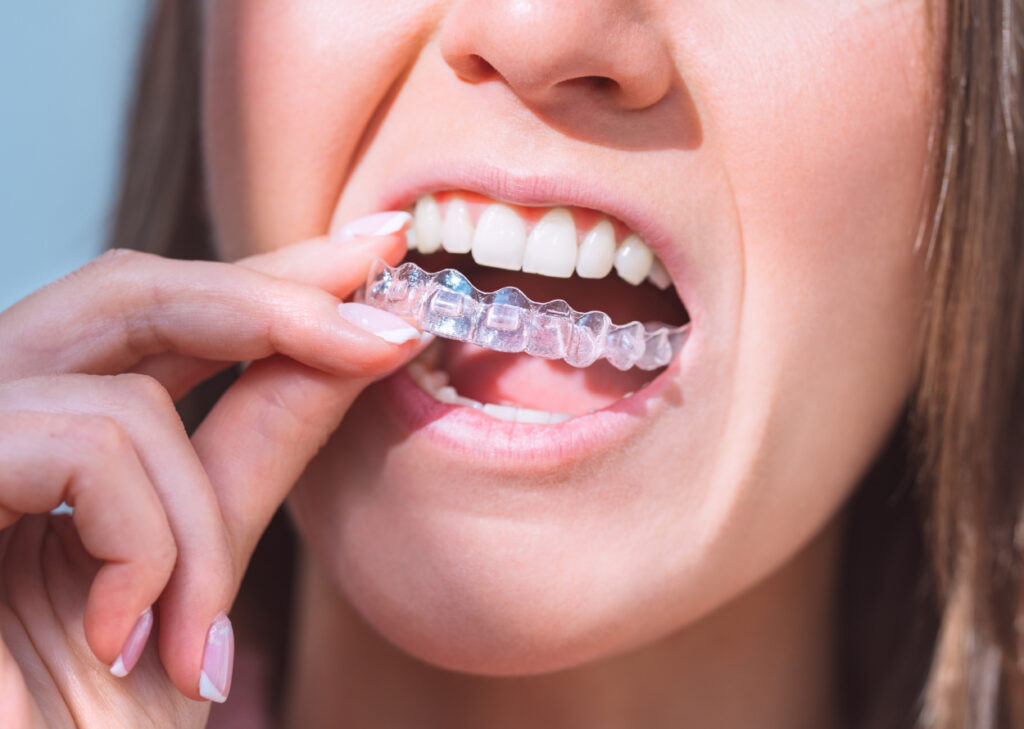
Appearance affects more than vanity. It shapes confidence in meetings, comfort in photos, and the ease with which people smile in social settings. In a place like Calabasas, where many residents split time between professional obligations, family life, fitness routines, and public-facing events, orthodontic treatment often needs to do more than straighten teeth. It has to fit seamlessly into a polished, busy lifestyle.
That is one reason Invisalign has become such a strong choice for image-conscious patients. The appeal is not hard to understand. Clear aligners offer a discreet path to straighter teeth, often with fewer visible signs of treatment than traditional braces. For adults who have put off orthodontic care for years, and for teens who feel self-conscious about metal brackets, that difference matters.
When patients ask whether Invisalign Calabasas CA is really worth the attention it gets, the answer usually comes down to the same practical realities: visibility, comfort, flexibility, and how treatment fits into everyday life. Orthodontics is never purely cosmetic, but for many people the visual side of treatment is the factor that finally gets them to move forward.
Why discretion matters more than many people admit
People do not always say this directly at a consultation, at least not at first. They may mention crowding, bite issues, or a few teeth that have shifted since they stopped wearing a retainer years ago. Then, after a few minutes, the real concern comes out. They do not want to look like they are wearing braces at work. They have client meetings. They are on camera. They attend events. They simply do not want their orthodontic treatment to become the first thing others notice.
That concern is legitimate. Traditional braces can be highly effective, but they are visible. Even ceramic options, while less obvious than metal, still involve brackets and wires that change the look of the smile during treatment. Invisalign aligners, by contrast, are designed to be low-profile and clear. They are not truly invisible up close, and any ethical provider should be honest about that, but they are subtle enough that many people can speak, work, and socialize without feeling that their treatment dominates their appearance.
For an image-conscious patient, that distinction often changes everything. Instead of postponing treatment for another five years, they start now. And starting now is usually better than waiting for a mythical perfect time that never arrives.
Calabasas patients often want orthodontics that respects their lifestyle
Orthodontic recommendations should never be based on ZIP code alone, but local lifestyle patterns do matter. In Calabasas, many patients are balancing demanding schedules. Some work in entertainment, media, law, real estate, wellness, entrepreneurship, or executive roles where face-to-face presentation carries weight. Others are active parents who spend their days moving between school events, business obligations, workouts, and social commitments. Many want health improvements without advertising every step of the process.
That is where Invisalign Calabasas CA tends to resonate. It offers a treatment model that feels more compatible with a refined, image-aware routine. Aligners can be removed for meals, important photos, weddings, presentations, auditions, or interviews, within reason. They do not require the same visible hardware as braces. They also tend to fit well with patients who are accustomed to structured self-care and can commit to wearing aligners as directed.
There is an important caveat here. Invisalign is not a magic cosmetic accessory. It is a medical treatment that works only when patients wear the aligners consistently, often around 20 to 22 hours per day. Image-conscious adults sometimes love the idea of clear aligners but underestimate the discipline required. The best results usually come from patients who appreciate both the aesthetic benefit and the responsibility that comes with removable treatment.
The appeal goes beyond photos
A lot of marketing around clear aligners focuses on photographs, and that is understandable. The cosmetic difference is easy to show. Still, most patients who complete Invisalign talk about the day-to-day experience more than the photos. They like being able to smile at a dinner party without a mouthful of metal. They like not having food trapped around brackets before a work event. They like that treatment feels integrated into life rather than constantly visible within it.
That daily ease can have a real psychological effect. Adults who have felt self-conscious about either their teeth or the idea of braces often relax once treatment begins. They stop fixating on how they look while talking. They smile more naturally. They become more consistent about follow-up care because the process feels manageable.
There is also a subtle social benefit. Most people do not notice aligners unless they are looking for them. That can be especially meaningful for patients who prefer privacy around any cosmetic or dental treatment. Some people enjoy sharing their progress. Others would rather make a quiet improvement and let friends notice the final result months later. Invisalign supports that preference well.
A polished appearance during treatment can be professionally valuable
For some patients, image-conscious does not mean superficial. It means practical. If your role involves negotiation, presenting, networking, sales, media appearances, or client trust, your appearance is part of your professional toolkit. That does not mean perfection is required. It does mean visible orthodontic hardware can feel distracting at a time when you want attention on your ideas and presence.
This is especially relevant for adults who postponed orthodontics during adolescence and now want to correct spacing, crowding, or bite issues in their thirties, forties, or beyond. They often tell a similar story. They have the resources to address it now, but they do not want treatment that makes them feel younger in the wrong way or less polished in professional settings.
Invisalign often fits that concern better than braces. It is modern, discreet, and easy to incorporate into workplace routines. Patients can remove aligners briefly before a major presentation if instructed by their orthodontist about how to do so without compromising wear time. They can brush after lunch and return to meetings without worrying about spinach trapped in brackets. Those small details may sound minor until you live with orthodontic treatment every day. Then they become a major part of patient satisfaction.
Comfort and convenience matter for appearance too
People usually separate comfort from aesthetics, but in practice the two are linked. When treatment irritates the mouth, changes speech significantly, or causes recurring self-consciousness around eating, it affects how a patient carries themselves. Confidence is not only about what others can see. It is also about how comfortable you feel throughout the day.
Traditional braces can cause soreness after adjustments, and brackets can rub against the lips and cheeks. Invisalign aligners are not painless, despite what some advertising implies, but many patients find the pressure more predictable and the overall experience gentler. The aligners are smooth, custom-made, and free of wires that can break or poke.
For image-conscious patients, this often translates into a more composed everyday experience. They are less likely to feel distracted during conversations. They do not need orthodontic wax in the same way braces patients sometimes do. They can maintain a cleaner, more natural-looking smile throughout treatment, especially if they are careful about hygiene and avoid staining behaviors.
Speech is another practical point. Some patients notice a slight lisp when they first start wearing aligners or when changing to a new tray. In most cases it improves quickly as the tongue adapts. The adjustment is usually manageable, particularly compared with the visual impact of fixed braces. A good provider should discuss this honestly rather than pretending there is no adaptation period at all.
The freedom to remove aligners is a major advantage, if used wisely
One of Invisalign’s strongest advantages is also one of its greatest risks. Because aligners are removable, patients can eat what they like, brush and floss more normally, and take the trays out for short important moments. That flexibility is a tremendous benefit for people who care about appearance and routine. It also means the treatment depends heavily on compliance.
A patient who removes aligners for long lunches, frequent coffee breaks, social events, and evening relaxation may find that progress slows or stalls. This is where mature judgment matters. The best Invisalign candidates are not necessarily the most appearance-focused people. They are the people who value the discreet look enough to follow instructions carefully.
A few habits separate successful wearers from frustrated ones:
- They keep aligners in for the recommended daily hours.
- They remove them only for meals, drinks other than water, and necessary cleaning.
- They carry a case instead of wrapping trays in napkins, which almost guarantees one will be thrown away.
- They brush before reinserting aligners whenever possible.
- They attend scheduled check-ins rather than trying to improvise on their own.
These are simple behaviors, but they make the difference between a smooth course of treatment and one that drags on far longer than expected.
Oral hygiene is often easier with Invisalign
Image-conscious patients tend to notice details, and oral hygiene is one of them. Straightening teeth is important, but no one wants to trade crooked teeth for swollen gums or visible plaque buildup. One underappreciated advantage of Invisalign is how much easier it can be to maintain oral hygiene compared with fixed braces.
With traditional braces, brushing and flossing require extra time and technique. Food catches around brackets. Plaque can accumulate in hard-to-clean areas. Some patients do a meticulous job, but others struggle, especially over many months. The result can be decalcification marks, gum inflammation, or uneven cleaning that becomes obvious once braces come off.
Because Invisalign aligners are removable, patients can brush and floss much as they normally would. That does not eliminate responsibility. In fact, aligners create their own hygiene demands. Teeth and trays both need regular cleaning, and drinking coffee, tea, or wine with aligners in can stain them. Still, many adults find the routine more manageable than brace care.
For patients who are particularly concerned with a clean, polished look during treatment, this matters. Their teeth can appear tidier throughout the process, not only after it.
Social events, dining out, and camera-heavy occasions
A realistic article about Invisalign needs to address where the system shines and where it asks for trade-offs. Social life is a perfect example.
If you attend dinners, galas, weddings, networking events, or frequent lunches, aligners are often easier aesthetically than braces. You can remove them to eat, enjoy photos without visible brackets, and reinsert them afterward. That can be appealing for people whose calendars include many public or semi-public occasions.
But there is a practical side to this elegance. You need a place to store the aligners. You may need to slip away to brush before putting them back in. If you are sipping drinks slowly for hours, keeping aligners out too long can interfere with progress. Some patients solve this by limiting tray-out time strategically on event days. Others accept a little inconvenience in exchange for the cosmetic discretion.
Most image-conscious adults consider that a fair trade. They would rather manage a discreet oral-care routine than wear visible braces in every event photo for 12 to 24 months.
Teens and young adults can benefit too, though not every teen is a fit
Adults dominate much of the conversation around Invisalign, but the treatment can also be an excellent option for teens, especially those involved in theater, dance, athletics, debate, or social environments where appearance feels especially salient. For a teen who is already self-aware about their smile, clear aligners can remove one layer of anxiety from school photos, performances, and peer interactions.
That said, teens vary widely in maturity. A teenager who constantly loses water bottles, forgets homework, and leaves jackets everywhere may not be ready for removable orthodontic appliances. Lost trays, inconsistent wear, and poor cleaning can derail treatment quickly. Parents and orthodontists need to assess temperament honestly, not aspirationally.
In practice, many teens do very well with Invisalign when expectations are clear and accountability is built in. Others are better served by braces because fixed appliances remove the compliance variable. Image-consciousness alone should not determine the recommendation. The treatment has to match behavior.
Not every case is ideal for Invisalign, and that honesty matters
The best orthodontic advice is rarely absolute. Invisalign can treat a wide range of alignment and bite issues, and improvements in planning software and attachments have expanded what is possible. Still, some cases are better suited to braces, or to a hybrid approach, depending on tooth movement complexity, bite correction needs, jaw relationships, and the patient’s ability to comply.
This is where professional judgment counts more than branding. An experienced provider will not force every case into the Invisalign category just because the patient prefers a discreet option. Sometimes the most image-conscious decision is actually to choose the treatment that will produce the best final result, even if it is less visually subtle for part of the journey.
Patients should expect a candid discussion about limitations. If attachments will be visible, that should be explained. If refinements are likely, that should be mentioned. If treatment may take longer because of specific movements, the provider should say so. Clear communication builds trust, and trust is especially important when patients care deeply about both process and outcome.
Choosing the right provider in Calabasas makes a visible difference
When people search for Invisalign Calabasas CA, they are often focused on convenience and aesthetics, but provider expertise deserves equal attention. Invisalign is not just a series of plastic trays. It is a treatment system that depends on diagnosis, planning, monitoring, and mid-course adjustments. The software is sophisticated, but software does not replace clinical judgment.
A strong provider evaluates facial balance, bite function, gum health, tooth shape, and long-term retention, not just front-facing alignment. They look at whether the Invisalign Calabasas CA oaksdentistry.com final smile will function well and age well. They also understand the concerns image-conscious patients bring into the room. Those patients often care about subtle contour, smile arc, black triangles, attachment placement, and finishing details that less appearance-focused patients may not think to ask about.
Questions worth asking in consultation include how often the provider handles Invisalign cases, what kinds of corrections they commonly treat, how attachments may affect appearance, what the estimated wear schedule looks like, and what happens if refinements are needed. None of those questions are vain. They are smart.
The final result often feels bigger than straight teeth
By the time treatment ends, many patients are pleased not only because their teeth are straighter, but because they no longer think about their smile with the same tension. They smile in photos without angling their face carefully. They laugh more freely. They stop hiding one side of their mouth. They speak with less self-monitoring. Those changes can look cosmetic from the outside, but they often feel deeply personal.
That is the real reason Invisalign appeals to image-conscious patients. It respects the fact that appearance is part of lived experience. Looking polished is not always about impressing others. Sometimes it is about feeling aligned with how you see yourself, or how you want to show up in your work and relationships.
In Calabasas, where presentation and self-care often intersect, Invisalign meets patients in that reality. It offers discretion without pretending treatment requires no effort. It provides flexibility without sacrificing structure. For the right candidate, it is an elegant middle ground between doing nothing and committing to a more visible orthodontic path.
If you care about your smile but hesitate at the thought of traditional braces, that hesitation does not have to keep you stuck. The right orthodontic plan should improve both function and confidence. For many people seeking Invisalign Calabasas CA, that balance is exactly what makes the treatment such a compelling choice.
Oaks Dental
5000 Parkway Calabasas, Suite 308
Calabasas, CA 91302
(818) 643-6521
FAQ About Invisalign Calabasas CA
How many hours a day should I wear Invisalign?
Clear aligners are typically worn for 20 to 22 hours a day. Follow your dentist’s instructions for your specific treatment plan.
What age is best for Invisalign?
Many teens and adults can use clear aligners. A dentist can assess dental development, oral health, and the type of tooth movement needed.
What affects the cost of Invisalign in California?
Cost depends on the complexity and length of treatment and what the quoted plan includes. Ask for an itemized estimate and check any orthodontic coverage with your insurer.