The Importance of Precision in Dental Implants Calabasas CA
@cristianboli455
September 29, 2026 · 14 min read
Precision is the difference between a dental implant that simply fills a space and one that truly functions like a natural tooth. Patients often focus on the visible result, which is understandable. They want to smile without hesitation, chew comfortably, and stop thinking about the missing tooth altogether. What makes that possible, though, is not luck and it is not just high quality materials. It is planning, measurement, placement, and follow-through done with remarkable accuracy.
That is especially true when discussing Dental Implants Calabasas CA, where patients often expect a result that is not only durable and healthy, but also refined in appearance. In a community where aesthetics matter and patients tend to be informed, precision is not a marketing term. It is the clinical standard that determines how long an implant lasts, how comfortable it feels, and how naturally it blends into the smile.
A dental implant may look straightforward from the outside. A tooth is missing, an implant is placed, a crown goes on top. In practice, every stage depends on exact judgment. The angle of placement, the width of the available bone, the contour of the gums, the bite force from the opposing teeth, and the health of nearby structures all affect the outcome. Small miscalculations can create problems that are hard Dental Implants Calabasas CA to ignore later. Thoughtful precision, on the other hand, tends to disappear into the background, which is exactly what good dentistry should do.
Why a fraction of a millimeter matters
Dental implants succeed in a tight space. The jaw is not a blank canvas. It contains nerves, sinus cavities, blood supply, neighboring roots, and bone that varies widely in thickness and density from one patient to another. The implant has to integrate with the bone, support chewing forces, and line up with the future restoration. Even minor deviation can interfere with one of those goals.
Consider the upper back jaw, where the sinus often limits available bone height. Or the lower molar area, where the inferior alveolar nerve must be protected. If the implant is too close to either structure, the risk is more than aesthetic. It can affect safety, comfort, and long term predictability. In the front of the mouth, where every millimeter shows, poor angulation can lead to a crown that emerges awkwardly through the gumline, making even a technically stable implant look unnatural.
Patients rarely see this side of the process. They see the polished crown at the end. What they do not see is how much attention goes into creating the right foundation so that the crown emerges in the right place, the gum tissue sits evenly, and the bite feels balanced instead of forced.
Precision starts before the procedure
Implant success begins long before surgery. The consultation and diagnostic phase are where many of the most important decisions are made. A clinician needs to evaluate not just whether an implant can be placed, but whether it can be placed in the exact position required for function and appearance.
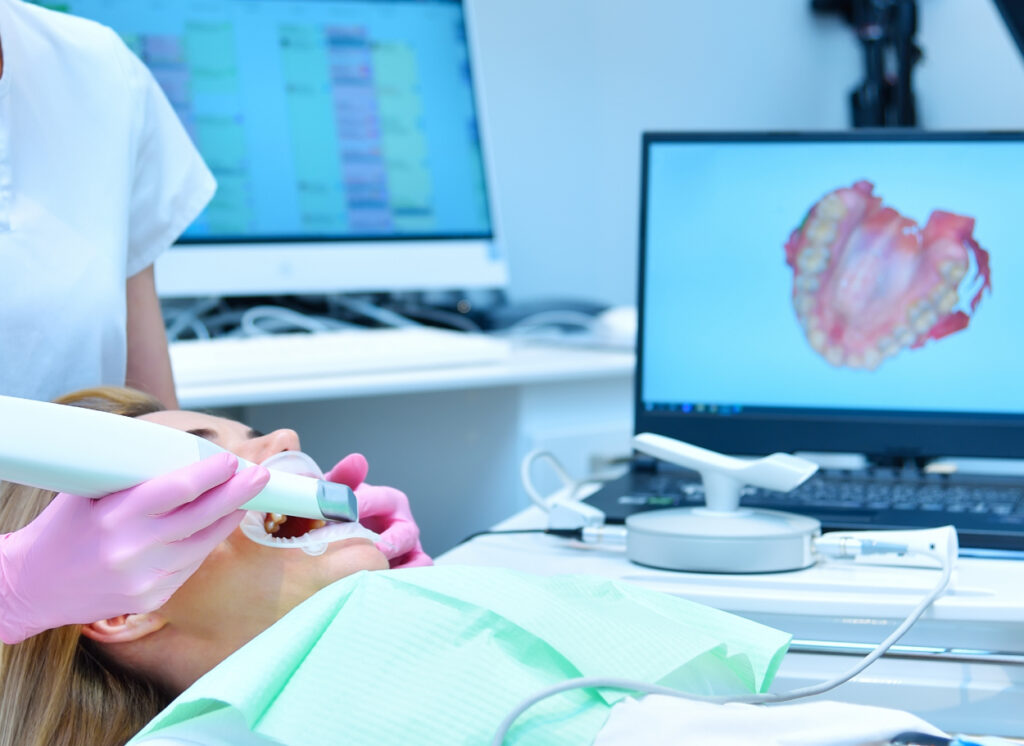
This usually includes a detailed exam, digital imaging, and a review of the patient’s medical and dental history. Bone quality, gum health, bite pattern, clenching habits, previous extractions, and even the shape of the smile line all matter. A patient with a history of grinding may place far more force on an implant restoration than someone with a softer bite. A patient who lost a tooth years ago may have significant bone resorption that changes the treatment plan entirely.
Experience matters here because treatment planning is not just data collection. It is interpretation. Two patients can have the same missing tooth and need completely different approaches. One may be ready for immediate implant placement after extraction. Another may benefit from healing time, grafting, or orthodontic adjustment first. Precision means resisting the temptation to use a one-size-fits-all protocol.
Imaging changed the standard of care
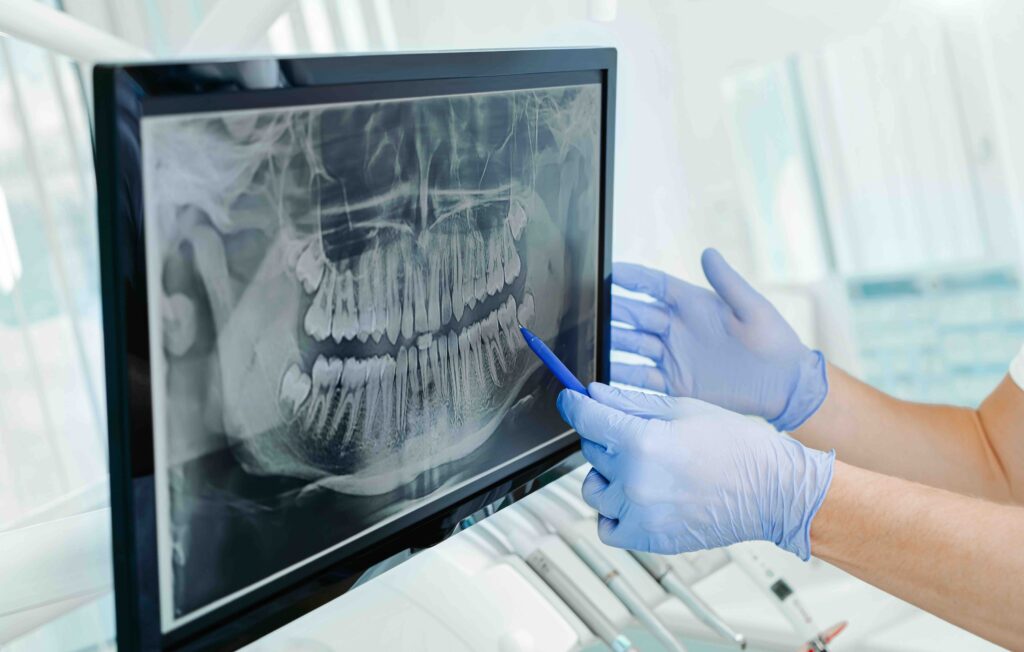
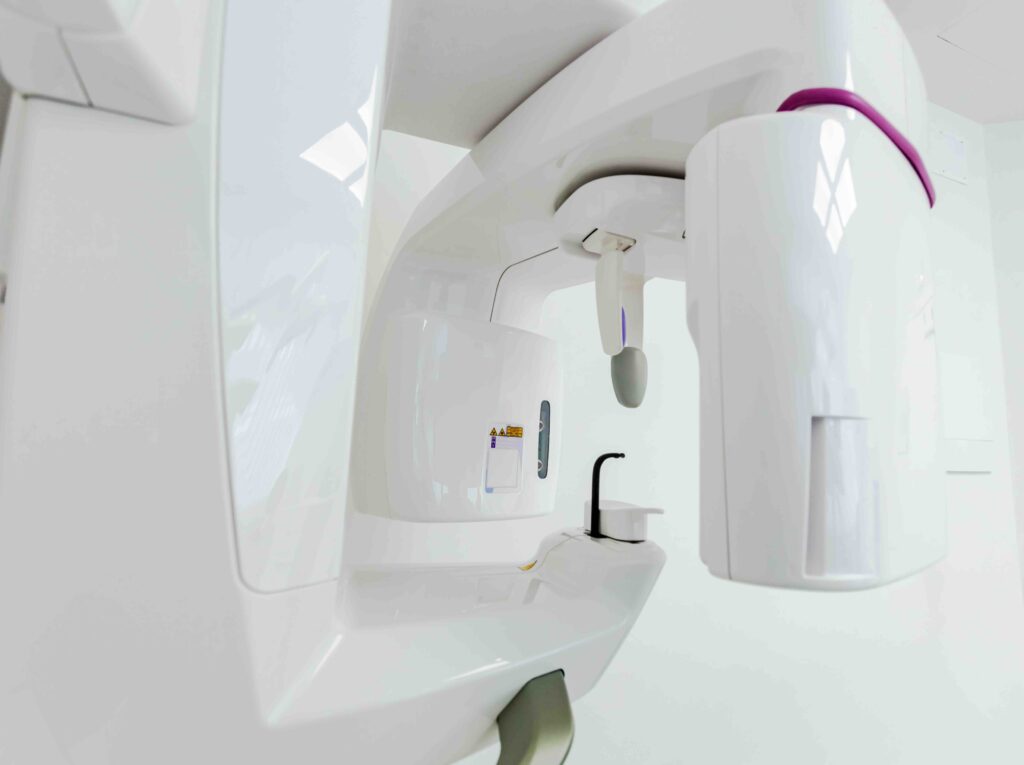
Traditional two-dimensional X-rays still have value, but implant dentistry increasingly relies on three-dimensional imaging because anatomy is three-dimensional. Cone beam CT scans allow the clinician to assess bone width, height, angulation, and proximity to vital structures with far more accuracy than flat images alone.
That matters in practical terms. On a two-dimensional image, a site may appear suitable. On a 3D scan, the ridge may turn out to be too thin on the facial side, or a sinus may dip lower than expected, or the nerve canal may take an unexpected course. Better imaging prevents surprises, and preventing surprises is one of the clearest signs of precision in treatment.
For patients seeking Dental Implants Calabasas CA, advanced diagnostics often shape both the quality of the result and the confidence behind the recommendation. A careful clinician is not merely trying to place an implant. They are trying to place it in the ideal restorative position, with enough support around it to protect both the implant and the final crown.
Placement angle affects everything above it
A well placed implant supports a well designed restoration. A poorly angled implant forces compromises. That is where the connection between surgical precision and restorative precision becomes impossible to ignore.
If the implant is too far toward the lip, the crown may look bulky or the gum tissue may recede more easily over time. If it is placed too far toward the palate or tongue, cleaning may become more difficult and speech may feel slightly off, especially in the front teeth. If the implant is angled incorrectly, the crown may need an unusual contour to compensate, which can affect both appearance and hygiene.
This is one reason experienced implant dentists often plan backward from the final tooth. Instead of asking only where the implant can fit, they ask where the crown must be for ideal function and aesthetics, then design the implant position to support that goal. It is a subtle shift in perspective, but it changes the quality of the result.
I have seen cases where a patient was told an implant had integrated successfully, which meant the implant fused to the bone, yet they still felt dissatisfied. The issue was not failure in the strict surgical sense. It was imprecision in positioning. The crown looked slightly off, food trapped more easily, and the bite never felt quite natural. That kind of outcome may be technically acceptable on paper, but it is not excellent care.
Soft tissue precision is just as important as bone
When people think about implant placement, they usually think about the titanium post in the bone. Yet the gums often determine whether the final result looks harmonious or artificial. Precision in managing soft tissue is one of the defining features of high level implant work.
The thickness of the gum tissue, the contour around the implant, and the symmetry with adjacent teeth all contribute to the final appearance. This is especially critical in visible areas. A central incisor implant can be structurally sound and still look wrong if the gumline is uneven or the tissue lacks natural fullness.
Soft tissue management may involve preserving tissue during extraction, grafting when needed, or shaping the healing phase carefully so the final crown emerges through the gums in a natural way. None of that is accidental. It requires planning and attention over time, often through multiple visits.
This is also where patience becomes part of precision. Some patients want the fastest path possible, and in selected cases immediate placement and provisionalization work beautifully. In other cases, rushing compromises tissue stability. A disciplined clinician knows when speed helps and when it harms.
The role of bite balance in implant longevity
Natural teeth are suspended by the periodontal ligament, which gives them a slight cushioning effect. Implants do not have that same adaptive movement. They are rigidly integrated with bone. That difference makes occlusion, the way teeth come together, especially important.
An implant that receives too much force can develop complications even if the surgery and crown were otherwise well executed. Screws may loosen, porcelain may chip, or bone may be stressed over time. Patients who clench or grind often need additional protection, sometimes in the form of a night guard and bite adjustments.
Precision in bite design includes several factors:
- Making sure the implant crown contacts opposing teeth appropriately, not excessively.
- Managing side-to-side forces, especially in patients with bruxism.
- Considering the size and shape of the final crown relative to the implant and bone support.
- Checking how the implant functions within the whole mouth, not in isolation.
- Re-evaluating the bite after healing, because tissues and contacts can change subtly.
This is one of the quieter reasons implants do well in some practices and develop recurring maintenance issues in others. The implant itself may be the same. The difference lies in how precisely the case was integrated into the patient’s overall occlusion.
Precision protects long term health, not just appearance
A precise implant is easier to clean, easier to monitor, and less likely to create chronic inflammation. Those benefits do not always get the spotlight, but they matter enormously over the life of the restoration.
If a crown is overcontoured because the implant was not ideally positioned, plaque control becomes more difficult. If the contact with the adjacent tooth is weak, food impaction can irritate the gums repeatedly. If the emergence profile is awkward, the tissue may remain inflamed despite good home care. Over time, these issues can contribute to peri-implant mucositis or peri-implantitis, conditions that threaten the supporting bone.
A carefully designed implant restoration, by contrast, tends to support daily hygiene rather than fight against it. The floss should pass with realistic resistance, not shred or snap. The brush should reach the gumline. The contour should guide food away, not trap it. These details sound small until you remember that they are repeated every day for years.
When bone grafting becomes part of precision
Some patients hear “bone graft” and assume something went wrong. Often the opposite is true. Recommending grafting can be a sign that the clinician is thinking precisely rather than forcing an implant into a compromised site.
After a tooth is lost, the surrounding bone begins to change. Width and height can diminish, sometimes quickly. In other cases, infection or trauma may have already damaged the area. If the remaining bone cannot support an implant in the proper position, grafting may help rebuild the foundation.
This is not always dramatic. Sometimes it Dental Implants Calabasas CA is a modest ridge preservation procedure after extraction. Sometimes it is a more involved graft to restore contour and volume. The point is that precision sometimes requires an extra step. Trying to skip that step may save time in the short term, but it can limit implant size, compromise placement, or produce a final tooth that looks sunken or unnatural.
Patients usually appreciate this once it is explained clearly. Most would rather invest in a stronger foundation than deal with years of aesthetic or functional compromise.
The human side of accurate treatment planning
People are not diagrams. They heal at different rates, have different pain tolerances, different cosmetic priorities, and different schedules that affect treatment timing. Precision in implant dentistry includes the technical side, but it also includes communication and judgment.
One patient may care most about preserving the natural gum architecture in the front teeth and be willing to accept a longer timeline. Another may prioritize restoring chewing on a back molar with minimal disruption to work and family life. A third may have medical considerations such as diabetes, smoking history, or medications that require more conservative planning.
A strong implant plan respects those realities without lowering the standard of care. It is precise in the clinical sense and realistic in the human sense. That combination tends to produce the most successful outcomes, because the patient understands not only what is being done, but why.
Questions worth asking before treatment
Patients do not need to become experts in implant surgery, but they should feel comfortable asking how a case is being planned and what measures support accuracy. A thoughtful provider should be able to explain the process in practical language.
Here are a few useful questions:
- Will imaging be used to evaluate bone and nearby structures in three dimensions?
- How is the implant position planned in relation to the final crown?
- Is bone grafting recommended, and if so, what problem does it solve?
- What factors could affect healing or long term maintenance in my case?
- How will the bite be checked once the implant is restored?
These questions tend to open better conversations than simply asking which implant brand is used or how quickly treatment can be completed. Brand matters less than diagnosis, planning, and execution.
Why local expectations raise the bar
In areas like Calabasas, patients often have high expectations for appearance, comfort, and durability, and that is not unreasonable. The front teeth need to look believable in natural light. The back teeth need to handle real chewing, not just pose for a photograph. The restoration should suit the face, the smile, and the way the patient actually uses their teeth.
This is why Dental Implants Calabasas CA often involve a level of planning that goes beyond replacing a missing tooth in the simplest possible way. There may be greater emphasis on tissue symmetry, shade matching, customized temporaries, or detailed collaboration between the surgical and restorative teams. None of that is excessive when done for the right reasons. It reflects an understanding that precision creates confidence.
Patients can usually tell the difference. They may not describe it in technical terms, but they recognize when a tooth feels right, when chewing feels balanced, and when the smile looks unchanged except for the fact that the missing space is gone.
Precision continues after the crown is delivered
The day the final crown is seated is not the end of the story. Even beautifully executed implants benefit from periodic review. Tissues can change, bite forces can shift, and oral hygiene habits can improve or slip over time. Maintenance visits allow the dentist to assess bone levels, tissue health, occlusion, and the integrity of the restoration before small issues become larger ones.
This matters because implants are often described as permanent, which can create unrealistic assumptions. The implant itself can last many years, often decades, but longevity depends on maintenance and monitoring. A patient who skips cleanings, continues smoking heavily, or grinds without protection may shorten the lifespan of even an exceptionally well placed implant.
Precision, then, is not a single act. It is a chain of informed decisions, each one supporting the next. Diagnostic precision leads to surgical precision. Surgical precision supports restorative precision. Restorative precision improves hygiene, comfort, and long term stability.
What patients should take away
When dental implants are done well, they feel almost uneventful. Eating becomes easier. Smiling feels normal again. The implant fades into the background of daily life, which is the highest compliment it can receive. That effortless result is usually built on a great deal of precision behind the scenes.
For anyone considering Dental Implants Calabasas CA, it is worth looking past the basic promise of tooth replacement and asking how carefully the process is approached. The details matter. Imaging matters. Gum tissue matters. Bite balance matters. Timing matters. The clinician’s ability to judge trade-offs matters.
There is a clear difference between placing an implant and placing it in a way that serves the patient for years with comfort, health, and confidence. Precision is what closes that gap. It is the reason one implant feels like a foreign object to be managed, while another feels like it always belonged there.
Oaks Dental
5000 Parkway Calabasas, Suite 308
Calabasas, CA 91302, United States
Phone: +1 (818) 412-8349
FAQ About Dental Implants Calabasas CA
How much does a dental implant cost in California?
Costs vary with the number of teeth replaced, restoration type, imaging, and any extractions or bone grafting. Request an itemized estimate after an examination; a single advertised price may not include every treatment stage.
Can people with autoimmune disease get dental implants?
Some people may qualify, but the condition, medications, oral health, and healing risks require individual assessment. Share your medical history with your dentist, who may coordinate with your treating physician.
Can you have dental implants if you have osteopenia?
Osteopenia does not by itself establish whether implants are suitable. Your dentist must evaluate jawbone support and review bone-related medications and other risks before recommending treatment.