How Clear Aligners Are Changing Smiles in Calabasas CA
@cristianboli455
November 24, 2026 · 14 min read
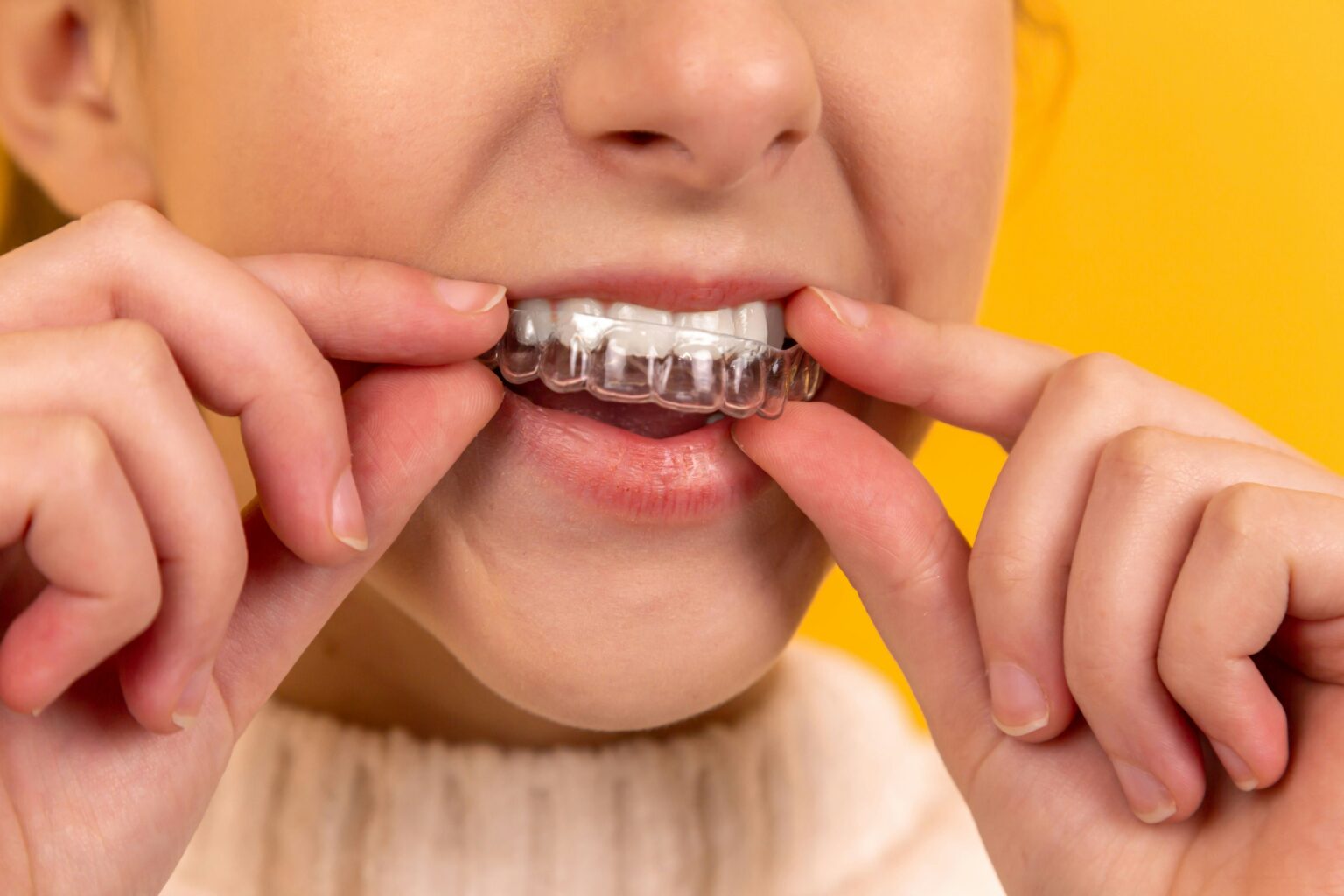
A straighter smile used to mean a fairly predictable trade: months or years of metal brackets, dietary restrictions, extra cleaning time, and a visible reminder on every photo and video call that orthodontic treatment was underway. That equation has changed. In Calabasas, where people often want results that fit neatly into demanding professional and social lives, clear aligners have moved from a niche cosmetic option to a practical mainstream treatment.
That shift is not just about appearance. It reflects a broader change in how patients think about oral health, comfort, time, and control. Clear aligners appeal to teenagers who play sports, adults who put off orthodontics for years, and even older patients who assumed they had missed their window entirely. When people search for Invisalign Calabasas CA, they are often looking for something very specific: a way to improve their smile without feeling like they have to put their life on pause.
The rise of aligners has also changed the conversation inside dental and orthodontic offices. Instead of asking whether straightening teeth is possible, patients are more likely to ask how discreetly it can be done, how treatment will affect work meetings, what happens at weddings or graduations, and whether the process can fit around travel, parenting, or athletic schedules. Those are practical questions, and clear aligners answer many of them well, though not always perfectly.
Why clear aligners resonate in Calabasas
Calabasas is a place where presentation matters, but so does convenience. Residents often juggle packed calendars, long commutes, school schedules, fitness routines, and public-facing careers. Traditional braces can still be the right choice in some cases, but aligners tend to fit this environment because they are low-profile and removable.
That removability is one of the biggest differences, and one of the biggest responsibilities. With braces, treatment keeps moving whether the patient is motivated or not. With aligners, success depends heavily on wear time. Most providers advise roughly 20 to 22 hours per Invisalign Calabasas CA day, which sounds simple until real life intervenes. Coffee runs turn into long conversations, dinners stretch late, and one missed evening becomes a pattern. Patients who do well with aligners usually develop habits early. They put trays back in promptly, keep a case with them, and treat wear time as non-negotiable.
For many Calabasas patients, that trade feels worth it. They can remove aligners for a major presentation, a date night, or a family photo. They can eat crunchy vegetables, nuts, and popcorn without worrying about brackets or broken wires. They can brush and floss more normally, which matters for people who already invest in clean, healthy-looking teeth.
What clear aligners actually do
Clear aligners are custom-made plastic trays designed to move teeth in small increments. Each set applies targeted pressure based on a treatment plan created from digital scans, photos, bite records, and clinical judgment. The trays look simple, but the planning behind them is anything but simple.
To move a tooth predictably, the provider has to think several steps ahead. Teeth do not glide through bone like pieces on a chessboard. Roots need space. Bite forces matter. Existing restorations matter. Gum health matters. Even the shape of a crown or the way a lower incisor is rotated can affect how efficiently a tray works. The software helps visualize movement, but it does not replace experience. Good aligner treatment blends digital planning with real-world orthodontic judgment.
This is where patients sometimes misunderstand the process. The trays may be clear and sleek, but treatment is still biologically complex. Some cases track beautifully from start to finish. Others need refinement, which means additional scans and extra sets of trays to fine-tune the result. That is normal, not a sign that something has gone wrong.
The cosmetic appeal is obvious, but function matters more than many expect
People often begin orthodontic treatment because they want straighter front teeth. That makes sense. The smile is one of the first things people notice. But the deeper benefits tend to emerge later, sometimes after treatment has already started.
Crowded teeth can be harder to clean thoroughly. Overlapping areas trap plaque and make flossing frustrating. A poor bite can create uneven wear, small chips, or pressure on certain teeth. In some patients, spacing or crowding affects speech or contributes to gum irritation. Straightening teeth will not solve every oral health problem, but it often makes the mouth easier to maintain.
I have seen patients start because one lower tooth crossed over another in photos, then finish treatment most grateful for something else entirely: easier flossing, less food trapping, fewer accidental cheek bites, or a bite that feels balanced when chewing. Cosmetic motivation gets many people through the door. Functional benefits are what often make them say they wish they had done it sooner.
Adults are driving much of the demand
One of the clearest changes in recent years is the number of adults pursuing orthodontics. In the past, many adults assumed braces belonged to adolescence. Now it is common to see patients in their thirties, forties, fifties, and beyond deciding that the timing finally makes sense.
Some had braces as teenagers and stopped wearing retainers. That is an extremely common story. Teeth drift, sometimes subtly, sometimes enough to change the whole smile. Others never had orthodontic treatment and are revisiting a long-standing insecurity after a career change, a divorce, a major birthday, or simply a desire to invest in themselves.
Adults tend to appreciate the discretion of aligners, but they also tend to ask better questions. They want to know how attachments will show, whether aligners affect speech, what happens if they travel for three weeks, and how treatment interacts with veneers, implants, or old bonding. Those are the right questions to ask, because adult cases often come with more dental history than teen cases.
A patient with a dental implant, for example, needs to understand that implants do not move like natural teeth. Someone with multiple crowns may need more careful attachment planning. A patient with active gum disease should stabilize periodontal health before attempting orthodontic movement. Clear aligners can work very well for adults, but “adult orthodontics” is not just teenage orthodontics at a later age. It requires a more nuanced approach.
Teenagers benefit too, especially the ones who play sports or instruments
While adults have fueled much of the buzz, teenagers remain excellent aligner candidates when they are responsible enough to wear them consistently. In Calabasas, where many teens are balancing academics with sports, performing arts, and social events, clear aligners offer practical advantages.
A student athlete does not have to worry as much about lip cuts from brackets during contact sports. A musician playing a wind instrument may find aligners easier to adapt to than traditional braces, though there is still an adjustment period. School photos and dances become less of a source of stress for image-conscious teens.
That said, teenagers can be inconsistent. Lost trays, forgotten wear time, and halfhearted elastic use can slow progress. Parents often assume clear aligners are automatically easier than braces, but easier is not the same as more foolproof. For some teens, fixed braces remain the better treatment because they remove the compliance variable. A careful provider will say that plainly instead of steering every case toward aligners.
What the first consultation usually reveals
The initial visit often changes expectations. Patients come in focused on one crooked tooth and learn that the issue actually starts with bite relationships, arch width, or the position of molars. Others assume treatment will take six months and hear that a more realistic estimate is 12 to 18 months. Neither outcome is bad. It is simply what happens when a clinical exam replaces guesswork.
A thoughtful consultation usually covers the current alignment, the bite, the health of gums and bone support, any restorations that affect movement, and the patient’s habits and goals. Nighttime clenching, for instance, can influence how trays wear and how attachments hold up. A history of losing retainers matters. So does frequent work travel.
Patients evaluating Invisalign Calabasas CA should expect more than a quick scan and a sales pitch. Good treatment planning takes time. If a provider explains what aligners can achieve, where they may fall short, and what cooperation will be required, that is a strong sign the process is being handled responsibly.
Not every case is ideal for aligners
This is where realism matters. Clear aligners have improved dramatically, and experienced clinicians can manage a wide range of cases with them. But there are still situations where braces may be more efficient, more predictable, or simply better.
Severe bite discrepancies, significant tooth rotations, large vertical problems, and cases requiring complex root control may challenge aligners, especially if the patient is unlikely to wear trays consistently. Sometimes a hybrid approach makes sense, with aligners handling part of the work and braces or additional appliances addressing the rest. Sometimes a patient begins with aligners and later transitions to another method.
That is not a failure of the technology. It is the result of sound case selection. Orthodontics works best when the treatment choice serves the biology, not the marketing.
The day-to-day experience surprises people
Many new patients expect aligners to feel like nothing. That is not quite right. A fresh set of trays typically creates pressure for a day or two, sometimes more. It is usually manageable, but it is noticeable. The first few days can come with a mild lisp, a sense of bulk against the tongue, and more saliva than usual. Most people adapt quickly.
Attachments, those small tooth-colored shapes bonded to certain teeth, are another surprise. They help the trays grip and guide movement, but they make aligners more visible up close and can feel rough when the trays are out. Patients are often relieved to learn that attachments are temporary and generally much less conspicuous than brackets, though they are not invisible.
Eating also changes rhythm. Since trays should be removed for meals and most drinks other Invisalign Calabasas CA than water, casual grazing becomes less convenient. Some patients see that as a downside. Others quietly appreciate it because it cuts down on mindless snacking. Coffee drinkers often struggle at first. Sipping hot coffee slowly over an hour does not pair well with 22-hour wear goals. People usually solve that problem by drinking it in a shorter window or removing trays, finishing the drink, and rinsing before putting them back in.
The details that make treatment go smoothly
Most aligner success comes down to habits rather than heroics. Patients who stay on track tend to do a few simple things consistently.
- They wear trays as instructed, not just when it is convenient.
- They switch aligners on the recommended schedule instead of guessing.
- They keep trays clean and stored in a case when not in use.
- They attend check-ins, even when everything seems fine.
- They wear retainers faithfully once active treatment ends.
That last point deserves more attention than it gets. Teeth remember where they came from. Without retention, they can and often do drift. Many adults seeking retreatment are there because they stopped wearing retainers years earlier. The hard truth is that retention is not a short-term chore. It is part of keeping the result.
Why digital planning has changed the patient experience
One reason clear aligners have become so popular is that the workflow feels modern and intuitive. Digital scans are faster and more comfortable than old-style impressions for many patients. Simulation tools can show proposed tooth movement in a way that makes treatment easier to understand. Progress can be measured against a plan rather than judged by memory alone.
This digital layer also improves communication. Patients can better grasp why enamel shaping might be recommended between certain teeth, why attachments are needed, or why refinements may be part of the plan from the beginning. A visual explanation reduces confusion and often improves compliance.
Still, digital does not mean automatic. The software can propose movement, but a skilled provider decides what is appropriate, what to modify, and what to reject. The quality of the plan matters just as much as the quality of the tray material.
Cost, value, and what patients are really paying for
Price is always part of the conversation, especially in areas where patients are comparing offices online before they ever call. Costs vary depending on case complexity, treatment length, whether refinements are included, and who is managing the case. A minor alignment fix will not be priced the same as a comprehensive bite correction.
Patients sometimes focus on the brand name alone, but the real value lies in the expertise behind the treatment. Two offices may offer the same aligner system and deliver very different experiences. One may include detailed monitoring, refinement planning, and close follow-up. Another may take a lighter-touch approach that works for simple cases but struggles when things do not track perfectly.
The cheapest option is not always the least expensive in the long run if it leads to prolonged treatment or compromised results. On the other hand, the highest fee does not guarantee better care. Patients should ask what is included, how refinements are handled, how often progress is reviewed, and what the retention phase looks like after treatment.
Aesthetics are changing expectations beyond straightness
Another interesting shift in Calabasas is that patients are not merely asking for straight teeth. They are asking for a smile that looks balanced with their face, their lips, and their age. That is a more refined conversation than it was a decade ago.
Some people need broadening of the smile arc so less dark space shows at the corners. Others want minor alignment before whitening, bonding, or veneers so cosmetic work can be more conservative. In many cases, aligners become part of a larger smile design strategy, not the entire plan by themselves.
This can be especially valuable for patients considering porcelain veneers. When alignment is improved first, fewer teeth may need restorative treatment, and less enamel may need to be altered. That is often the more conservative path. Straightening first, then refining shape or color only if necessary, usually preserves more natural tooth structure.
What to ask before choosing a provider
Patients often spend more time comparing aligner brands than comparing the judgment of the clinician directing treatment. That is understandable, but it misses the most important factor. The provider’s experience with diagnosis, bite mechanics, refinements, and retention has a huge impact on the final outcome.
A few practical questions can reveal a lot:
- How often do you treat cases like mine with aligners?
- What are the realistic limits of aligners in my situation?
- Will I likely need attachments, elastics, or refinements?
- How long do you expect treatment and retention to last?
- If teeth do not track as planned, what is the next step?
The answers matter less for their sales polish than for their honesty. Clear, specific guidance is a better sign than a breezy promise that everything will be easy.
The local impact is bigger than vanity
It is easy to dismiss the clear aligner boom as a cosmetic trend, especially in a community associated with image and visibility. That misses the broader picture. Better alignment can support oral hygiene, reduce uneven wear, improve bite comfort, and make future dental work more straightforward. It can also remove a long-standing source of self-consciousness that affects how people smile, speak, and show up socially.
That confidence piece is real, even if it is hard to measure. The patient who stops covering her mouth when she laughs, the executive who no longer notices his crowded lower teeth every time he appears on video, the teenager who smiles fully in photos for the first time in years, those outcomes are personal, but they are not superficial. They shape daily interactions.
Clear aligners are changing smiles in Calabasas because they fit modern life while still delivering meaningful clinical results. They are not magic, and they are not the best answer for every case. They require discipline, thoughtful planning, and a realistic view of what treatment can and cannot do. But for many patients, they have made orthodontic care feel accessible in a way it never did before.
That is the real change. People who once delayed treatment because braces felt too visible, too inconvenient, or too disruptive now have an option that respects both aesthetics and function. When used well, clear aligners do more than straighten teeth. They make treatment easier to say yes to, and that has opened the door for a much wider range of people to improve their smiles on their own terms.
Oaks Dental
5000 Parkway Calabasas, Suite 308
Calabasas, CA 91302
(818) 643-6521
FAQ About Invisalign Calabasas CA
How many hours a day should I wear Invisalign?
Clear aligners are typically worn for 20 to 22 hours a day. Follow your dentist’s instructions for your specific treatment plan.
What age is best for Invisalign?
Many teens and adults can use clear aligners. A dentist can assess dental development, oral health, and the type of tooth movement needed.
What affects the cost of Invisalign in California?
Cost depends on the complexity and length of treatment and what the quoted plan includes. Ask for an itemized estimate and check any orthodontic coverage with your insurer.