Choosing the Right Provider for Dental Implants in Calabasas CA
@cristianboli455
September 29, 2026 · 14 min read
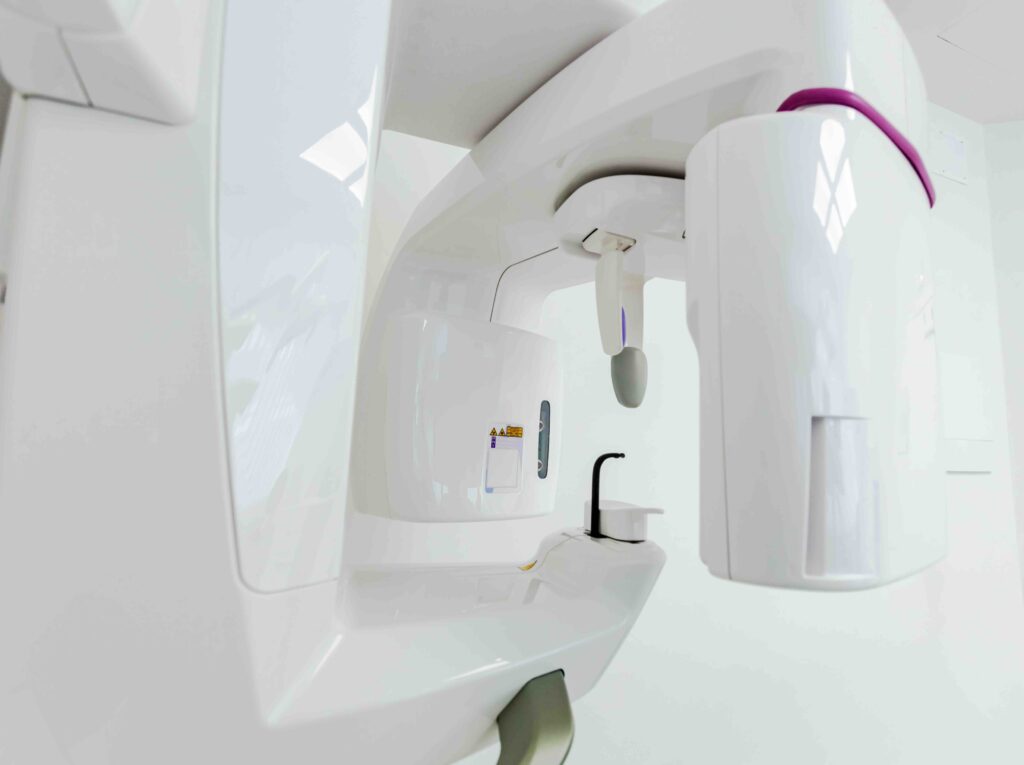
Replacing a missing tooth is rarely just about filling a gap. It affects how you chew, how clearly you speak, how confidently you smile, and in many cases how the surrounding bone holds up over time. That is why choosing the right provider for dental implants in Calabasas CA deserves more thought than a quick online search and a price comparison.
People often start this process with understandable urgency. A front tooth fractured. An old bridge failed. A denture has become loose and frustrating. The temptation is to find the first office that advertises implants, book a consultation, and move forward. Sometimes that works out well. Sometimes it leads to avoidable complications, extra procedures, and a final bill that looks very different from the original quote.
A well-planned implant case can feel remarkably straightforward from the patient side. The implant integrates with the bone, the crown looks natural, and daily life goes back to normal. Behind that smooth result, though, there is a long chain of decisions involving diagnosis, imaging, bone levels, gum health, bite forces, lab quality, surgical technique, healing timelines, and long-term maintenance. The provider you choose influences every one of those variables.
Why provider choice matters more with implants than with simpler dental work
A filling or a straightforward crown can usually be redone if the result is not ideal. Dental implants are different. They involve surgery, biology, and prosthetics. Once an implant is placed in the wrong position, correcting it may require grafting, removal, additional healing time, and added cost. Even a technically integrated implant can be a poor result if the angle is off, the tissue support is weak, or the final crown traps food and irritates the gums.
That is why experience matters, but experience alone is not enough. Some providers place a high volume of implants yet rush diagnostics. Others are meticulous planners but refer out key parts of treatment, which is not necessarily a problem if the coordination is strong. The goal is not to find the office with the loudest marketing. It is to find a clinician and team who can diagnose carefully, explain options honestly, and execute treatment in a way that fits your anatomy and goals.
Calabasas patients often have access to a wide range of dental offices, from general practices that place implants in-house to specialists such as periodontists and oral surgeons, as well as multidisciplinary practices that coordinate surgery and restoration under one roof. More choice is helpful, but it also makes the decision harder. The right fit depends on the complexity of your case.
Not every implant case is the same
A single missing molar in a healthy nonsmoker with good bone is one type of case. A patient replacing several failing teeth, with gum disease history, bone loss, clenching, and cosmetic concerns, is another. Those two people should not evaluate providers using the same criteria.
For a simple single-tooth replacement, a skilled general dentist with solid implant training, modern imaging, and a strong restorative eye may be an excellent choice. For more advanced cases, especially full-arch work, major bone grafting, sinus lifts, or heavy aesthetic demands in the front teeth, specialist involvement often becomes more important. Sometimes the best model is collaborative. A surgeon places the implant, and a restorative dentist designs and delivers the final tooth. When that partnership is tight, outcomes are often excellent.
Patients sometimes assume the smartest move is to go to the person who both places and restores every implant. That can be convenient, but convenience should not be the deciding factor. What matters is whether the provider is working within their depth of expertise and whether the planning is comprehensive.
Training should be specific, current, and relevant
One of the most common mistakes patients make is asking, “Do you do implants?” and accepting any confident answer as sufficient. A better question is, “What kind of implant cases do you handle regularly, and what training supports that work?”
Dental implants are not a weekend-course procedure, even though introductory implant courses do exist. Many excellent general dentists have pursued hundreds of hours of continuing education and developed strong implant skills over many years. Likewise, specialists complete formal advanced training that often includes surgery-heavy experience. The point is not to insist on one professional title. The point is to understand the depth and relevance of the provider’s training for your specific case.
Ask how often they place implants, how often they restore them, and whether they routinely manage complications. A clinician who can discuss tissue biotype, occlusion, bone remodeling, emergence profile, and maintenance protocols in plain language usually has a deeper command of implant care than someone who focuses mainly on sales language.
Technology helps, but judgment matters more
When offices market dental implants in Calabasas CA, they often emphasize technology. Cone beam CT scans, digital scanners, guided surgery, and in-house design tools can all improve precision and efficiency. These are meaningful tools. They are not guarantees of quality.
A 3D scan is only as useful as the interpretation behind it. A surgical guide is only as good as the treatment plan used to design it. Digital tools can support excellent care, but they do not replace clinical judgment. If a provider talks endlessly about hardware and barely discusses bone quality, gum condition, bite, or long-term maintenance, that is worth noticing.
Good technology use tends to look calm and purposeful. The provider explains why a CBCT scan is needed, what they are evaluating, and how it changes the plan. They can show you the anatomy clearly. They can point out nerve location, sinus position, bone width, or areas where grafting may be needed. It feels less like a sales pitch and more like a careful workup.
The consultation should feel thorough, not rushed
A proper implant consultation tells you a lot about the office. If the appointment is mostly handled by a treatment coordinator and the clinical conversation is brief, you may leave with a price but not a real understanding of your case. That is not enough.
A strong consultation usually includes a review of medical history, gum health, existing restorations, habits such as grinding or smoking, and the condition of neighboring teeth. It should also address the timeline. Implants are often staged. Extraction, bone grafting, implant placement, integration, and final restoration may span months depending on healing and complexity. Promises of speed should always be balanced against biology.
Pay attention to whether the provider examines your bite and aesthetics, especially for visible front teeth. Some implants fail not because they loosen, but because the final appearance or function is disappointing. A beautiful X-ray result is not the same as a beautiful smile result.
What to ask before saying yes
The right questions can quickly separate a thoughtful implant provider from one who is merely selling a service.
- How many cases like mine have you treated, and what were the main challenges?
- Will you place and restore the implant yourself, or will another doctor be involved?
- What imaging and planning steps do you use before surgery?
- If grafting or additional procedures become necessary, how is that discussed and priced?
- What does long-term maintenance look like after the final crown is delivered?
These questions matter because they reveal planning style, communication habits, and transparency. A good provider will welcome them. They should answer directly, without defensiveness or vague reassurance.
Price deserves context
Implants are expensive, and patients are right to ask hard questions about cost. In the Calabasas area, fees can vary widely depending on who is doing the work, what components are included, the implant system used, and whether grafting, sedation, or temporary restorations Dental Implants Calabasas CA oaksdentistry.com are part of the case. A quote that looks dramatically lower may simply exclude essential pieces.
One office may advertise the implant fixture only. Another may quote implant, abutment, crown, imaging, and follow-up visits as one package. Both numbers can be technically true while meaning very different things. It is not uncommon for patients to compare estimates without realizing they are comparing different stages of treatment.
The least expensive option can become the most expensive if the case is poorly planned. On the other hand, the highest fee does not automatically signal superior care. What you want is clarity. Ask what is included, what is likely but not guaranteed, and what events would create additional costs. If bone grafting is probable, that should be discussed upfront. If a temporary tooth is important for work or social reasons, that should be priced and planned in advance.
Financing can be useful, but it should not pressure you into treatment before you fully understand the plan. A provider who pushes same-day financial commitment before all clinical questions are answered is showing you their priorities.
Review before-and-after work with a critical eye
Photos can be helpful, especially for front-tooth implants and smile zone cases. But do not just glance at white teeth and assume quality. Look for natural gum contours, symmetry, and how the implant crown blends with neighboring teeth. An implant can be the right shade and still look artificial if the tissue architecture is off.
Ask whether the photos show the provider’s own work from start to finish. Stock images and lab mockups are not clinical proof. If your case has cosmetic importance, a provider should be able to discuss how they manage soft tissue, provisionalization, and the transition from surgery to final restoration.
This is one area where lived experience matters. Many implant disappointments happen not because the implant failed biologically, but because the final result feels bulky, too long, too flat, or slightly different in a way that draws the eye. Patients usually notice these things even when others cannot name them.
Gum health and bone quality often decide the outcome
Implants do not get cavities, but they can absolutely fail if the surrounding tissues are not healthy. If you have active periodontal disease, uncontrolled diabetes, heavy smoking habits, or poor home care, those factors need to be addressed honestly. A provider who minimizes them to keep the case moving is not protecting you.
Bone levels are equally important. Sometimes an extraction site has enough volume for immediate implant placement. Sometimes it does not. Sometimes the socket looks promising on a standard X-ray but a 3D scan reveals thin facial bone or a sinus that limits available height. The right provider explains when waiting is wiser than rushing.
There is often a delicate balance between patient preference and biological reality. Many people understandably want a tooth removed and replaced immediately. Immediate placement can work beautifully in the right case, especially when infection is limited, bone is favorable, and primary stability is achievable. But forcing immediate placement in a poor candidate can compromise the final result. A cautious recommendation is not a sign of weakness. Often, it is the sign that the provider is thinking long term.
The best offices coordinate the details well
Implant dentistry is team dentistry. Front desk communication, surgical follow-up, lab coordination, and hygiene maintenance all affect your experience. An excellent surgeon with weak office systems can still create a frustrating process. Lost referrals, delayed crown fabrication, unclear healing instructions, and billing confusion all add stress to an already significant treatment journey.
You can often sense office quality in small ways. Are records organized? Does the staff know where you are in the process? If one clinician is placing the implant and another is restoring it, do they communicate fluently about timing and design? Are your post-op questions answered promptly? These details matter more than many patients expect.
A well-run office also sets expectations properly. Mild swelling, soreness, and healing variability are discussed before surgery. Follow-up protocols are clear. No one makes implants sound casual.
Red flags that deserve caution
Some warning signs are subtle, others are obvious. Either way, they are worth taking seriously.
- You receive a price before a meaningful exam or imaging review.
- The office guarantees universal same-day solutions without discussing candidacy.
- Questions about complications are brushed aside or answered vaguely.
- You feel pressured to commit during the first visit to secure a discount.
- The treatment plan ignores gum disease, bite issues, or neighboring tooth problems.
None of these automatically prove poor care, but together they suggest a provider may be more focused on case acceptance than on case suitability.
General dentist, periodontist, or oral surgeon?
Patients often want a simple answer here, but it depends on the case. General dentists can be outstanding implant providers, especially for routine restoratively driven cases. Periodontists often bring deep expertise in gum management, bone grafting, and implant maintenance. Oral surgeons often handle extractions, impacted teeth, sedation, and anatomically complex surgical cases with confidence.
A practical way to think about it is this: the more straightforward your case, the more reasonable it may be to stay with a highly trained general dentist who both knows your mouth and Dental Implants Calabasas CA has a strong implant track record. The more advanced the surgical challenge, the more valuable specialist involvement becomes. For highly aesthetic cases, especially upper front teeth, experience with both surgical placement and final cosmetic integration is critical, regardless of title.
If you are unsure, a second opinion is sensible. It does not need to be adversarial. Good clinicians respect thoughtful comparison.
Ask about maintenance, not just placement
Implants are not install-and-forget dentistry. They need monitoring, professional maintenance, and appropriate home care. The provider should explain how the implant crown will be cleaned, what tools to use, how often recall visits are recommended, and what signs of trouble to watch for. Bleeding around implants is not something to ignore.
Patients who clench or grind may need a night guard to protect the restoration. Patients with a history of gum disease may need shorter hygiene intervals. If an office spends very little time discussing maintenance, they may be focused mainly on the procedural side of care.
This matters because many implant complications appear years after placement. Peri-implant inflammation, loosening of components, porcelain chipping, and tissue recession can often be managed better when caught early. Long-term support is part of the treatment, not an afterthought.
Local reputation matters, but reviews need interpretation
Online reviews can be useful, especially when patterns emerge. Repeated comments about clear communication, gentle surgery, honest pricing, and strong follow-up are encouraging. Repeated complaints about surprise fees, long delays, or poor responsiveness are worth noting.
Still, reviews should be interpreted carefully. A practice may have glowing reviews for cosmetic cleanings and routine crowns while having limited implant depth. Look for comments that specifically reference implant treatment, complex cases, healing support, and long-term satisfaction. Even better, ask people you trust, including your general dentist if you are seeking a specialist opinion. Professional referral networks often reveal who is consistently dependable when cases become challenging.
How the right provider makes the whole process feel different
When patients choose the right implant provider, a few themes tend to repeat. They feel informed rather than sold to. They understand the sequence of treatment. They know what is included financially. They hear not only what can be done, but why a certain approach is recommended for their anatomy, health, and priorities.
That clarity matters because implant treatment can involve moments of uncertainty. Healing may take longer than hoped. A graft may be recommended after extraction once the site is fully evaluated. A temporary option may need to bridge a cosmetic gap during integration. These are normal parts of care. The right provider navigates them without drama and without making the patient feel blindsided.
For anyone exploring dental implants in Calabasas CA, the smartest next step is not chasing the fastest appointment or the lowest advertised fee. It is booking a consultation with someone who examines carefully, communicates plainly, and shows real command of both the surgical and restorative sides of the result. A missing tooth can often be replaced. Lost bone, lost time, and lost trust are much harder to restore.
Take the extra week. Ask the extra questions. A well-chosen provider gives you more than an implant. They give you the best chance at a stable, comfortable, natural-looking result that still serves you years from now.
Oaks Dental
5000 Parkway Calabasas, Suite 308
Calabasas, CA 91302, United States
Phone: +1 (818) 412-8349
FAQ About Dental Implants Calabasas CA
How much does a dental implant cost in California?
Costs vary with the number of teeth replaced, restoration type, imaging, and any extractions or bone grafting. Request an itemized estimate after an examination; a single advertised price may not include every treatment stage.
Can people with autoimmune disease get dental implants?
Some people may qualify, but the condition, medications, oral health, and healing risks require individual assessment. Share your medical history with your dentist, who may coordinate with your treating physician.
Can you have dental implants if you have osteopenia?
Osteopenia does not by itself establish whether implants are suitable. Your dentist must evaluate jawbone support and review bone-related medications and other risks before recommending treatment.